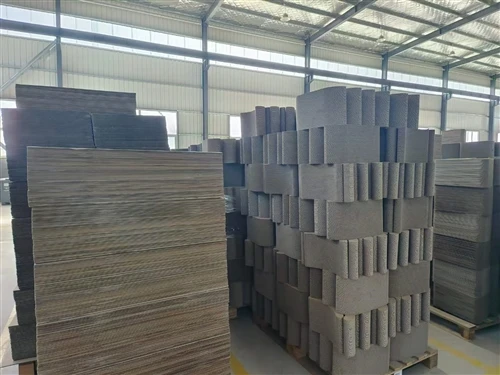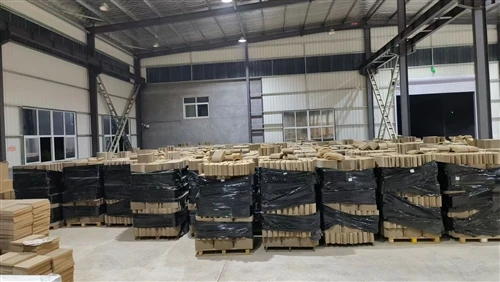
From ordering to delivery, a piece of pet furniture involves the bumps of transportation, storage in warehouses, and layers of packaging. The moment you unpack the box and take out the parts is not only your first time seeing the furniture, but also its first "entry" into your home environment. This "first impression" moment-from unpacking to assembly to initial placement-lays the foundation for your pet's acceptance of the furniture and even determines whether it will be used long-term.
The unpacking experience is far more than just "how good the packaging looks."
I. The Smell Upon Unpacking
Your Pet's First Impression The smell released the moment the box is opened is the first information your pet receives about the new furniture. Furniture is immediately sealed after leaving the factory, and the concentration of volatile substances accumulated inside the packaging is the highest throughout the furniture's lifespan. For cats and dogs with highly sensitive senses of smell, if this "factory smell" is too strong or pungent, it may immediately trigger their alertness and avoidance.
- A good unboxing smell experience: Upon opening the packaging, you should smell a faint, natural wood scent (pine resin, solid wood fragrance) or almost no scent – this makes your pet feel safe and encourages them to approach and explore. The packaging materials for new furniture should also have no noticeable chemical smell.
- A bad unboxing smell experience: A strong, pungent chemical odor (acidic, solvent, glue smell) upon opening the packaging is not only unpleasant for you, but also a strong warning signal for your pet. In this case, your pet may remain wary of this "strange-smelling object" for days or even weeks.
- Practical advice: After receiving new furniture, try to unbox it in a well-ventilated outdoor area or on a balcony to allow the initial odor peak to dissipate outdoors. Ventilating the components for several hours after unboxing before moving them indoors for installation can effectively reduce the odor concentration when first introduced into the home environment.
II. Visual Presentation After Unboxing
A Visual Signal of Safety When a pet first sees new furniture, its visual impression greatly influences its subsequent willingness to approach it. The furniture's outline, color, and placement constitute the initial visual impression.
- Outline Recognition: Is the furniture's outline clear in the pet's eyes? Cat trees with hanging toys and pet beds with edges and clear boundaries are more easily recognized as "objects" by a pet. Furniture with blurred outlines or a loose structure may be difficult for a pet to recognize, thus increasing its wariness.
- Contrast and Background Relationship: Is the color contrast of the new furniture obvious with the floor, walls, and surrounding environment? If the furniture color blends into the background, the pet may not notice it at all; if the contrast is too strong, the pet may perceive it as an "abnormal object" and keep its distance. Moderate contrast is most conducive to the pet's natural acceptance.
- Visual Signals of Structural Stability: Does the furniture's outline look "stable"? A wide base and low center of gravity design visually convey a "reliable" message; while a tall, thin, and flimsy structure may give the pet an intuitive judgment that "this thing is not stable," thus making it unwilling to approach easily.
III. Initial Tactile Experience
From Cautious Exploration to Active Contact
A pet's tactile exploration of new furniture usually follows a gradual and in-depth process.
The first stage is usually sniffing: pets carefully sniff the areas with the strongest odors, a process that can last from seconds to minutes, depending on their boldness and curiosity. This is the most information-rich initial contact method.
The second stage is paw probing: cats and dogs will gently press the surface of the furniture with their paws to test its hardness and stability. If the furniture wobbles or makes an unpleasant sound at this point, the contact process may be immediately interrupted.
The third stage is physical contact: only after the pet confirms the object is safe will it attempt to lean against it and then lie down. When a cat first approaches a new climbing frame, it may only briefly linger on the lowest platform before jumping away, repeating this several times before gradually increasing the time spent on it.
The key to guiding a pet through these three stages of contact is: do not force it, do not suddenly make loud noises, do not have many people watching, and give it ample time and space to allow the pet to complete the transition from cautious probing to active contact at its own pace.
IV. The Impact of Packaging Materials on the Unboxing Experience
Packaging is not only a physical barrier protecting the product; it is also the first thing a pet "interacts" with when encountering new furniture.
- Pay attention to packaging odors: If the packaging materials themselves (cardboard boxes, foam, plastic bags) have a strong industrial odor, even if the furniture itself has a mild smell, the packaging odor may permeate and adhere to the furniture surface, interfering with a pet's scent perception during the initial unpacking process.
- Pay attention to packaging noise: The tearing sounds of plastic and rubbing of foam during unpacking can be a significant stimulus to a pet's sensitive hearing. If your pet is particularly sensitive to noise, consider unpacking in a room away from your pet or outdoors before moving the components to the installation location.
- Pay attention to packaging residue: Small items such as foam fragments, plastic seals, and cable ties left on the ground may be ingested by pets. After unpacking, thoroughly clean up all packaging materials and debris before allowing your pet into the area.
V. Transition from Installation to Use – Continuing the Unpacking Experience
The installation process itself is part of the unpacking experience. Frequent rework, dropped tools, and loud noises from parts colliding during installation can create a negative association in a pet's mind, associating the new furniture with "disturbing events."
- Preparation before installation: Begin installation when the pet is not in the designated area to avoid them witnessing the process. Prepare all necessary tools in advance to avoid frequent interruptions and tool searches during installation.
- Post-installation rest period: After the furniture is installed, do not allow the pet to approach immediately. Let it quietly observe for a period of time, allowing the scent and visual impressions in the environment to settle naturally. You can place an old blanket with the pet's scent on the new bed or platform to help accelerate the establishment of a sense of belonging.
- Timing of the first encounter: Choose a time when the pet is calm and relaxed for the first encounter. Do not force the pet to face the new furniture immediately after waking up, eating, or experiencing a stressful event.
VI. The Relationship Between Unboxing Experience and Long-Term Use:
The "first impression" of a piece of furniture will set the tone for a pet's long-term attitude towards it. If the smell is pungent when unboxing, the installation process is noisy, or the initial experience is unpleasant, the pet may develop a lasting wariness of the furniture, avoiding use even after the smell dissipates. Repairing this "initial negative association" can take weeks or even months, far more time-consuming and laborious than a smooth introduction after thorough preparation. Conversely, if the unpacking is smooth, the scent is mild, and the initial contact goes well, the pet is more likely to quickly incorporate the furniture into its daily routine and develop positive usage habits.
VII. Summary
The "life" of pet furniture begins the moment it's unpacked. The scent in the packaging, the initial appearance, the texture to the first touch, and all the sounds and rhythms during assembly all shape the pet's "first impression." This impression may be subtle, but it has a lasting impact on the relationship between the pet and the furniture.
Consider a little more when unpacking-where to unpack, how to ventilate, whether there's unnecessary noise during assembly, whether the timing of the first contact is appropriate-every seemingly minor preparation will be met with affection and trust from the pet in the days to come. A relaxed and pleasant unpacking experience is the gentlest starting point for this human-pet furniture relationship.