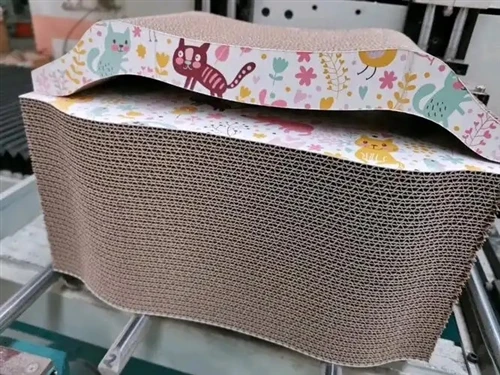
While functionality is important for pet furniture, its appearance deserves equal attention-after all, it will become part of your home, sharing space with sofas, rugs, and walls for a long time.
In the past, pet furniture design prioritized practicality, often limiting color choices to "understated" tones like brown, gray, and beige. However, the pet furniture market has changed significantly-more color options, better design language, and more refined surface finishes have made pet furniture a true "component of the home," not just "pet supplies."
How to choose pet furniture with suitable colors and styles for your home? This article will offer some practical suggestions.
I. Why Color and Style Matter?
Aesthetic Considerations-The visual harmony of each piece of furniture in your home affects the overall comfort. A jarringly colored cat tree or a bulky pet bed can become a visual "focal point" (and a negative one) during daily use, making the room appear cluttered and disjointed.
Psychological Impact-Environmental colors have an emotional impact on both pets and humans. Overly bright or dark colors can make a space feel tense or oppressive. Choosing colors that harmonize with the environment helps create a peaceful and comfortable home atmosphere.
Increased usage – When pet furniture looks more like "furniture" than "pet supplies," pet owners are more likely to place it in a prominent position in the home, rather than tucking it into a corner or storage room, thus increasing the chances of it being used by the pet.
II. Pet Furniture Matching Suggestions for Different Home Decor Styles Modern Minimalist Style
Modern minimalist style is based on the core concept of "less is more," favoring clean lines, neutral tones, and pure geometric forms.
Recommended Colors: White, light gray, charcoal black, off-white, soft natural wood tones
Recommended Design: Simple structure, smooth lines, avoid complex decorations
Material Suggestions: Light-colored solid wood, powder-coated metal, solid color fabrics
Pet Furniture Examples: Simple white cat tree, light gray geometric pet bed, minimalist natural wood pet house
Avoid: Complex patterns, excessive decorative elements, overly saturated bright colors
Scanonical Style
Scanonical style emphasizes natural light, warm wood, and soft colors, favoring a comfortable, light, and organic design language.
Recommended Colors: Light Oak, Ash, Misty Blue, Sage Green, Light Pink, Off-White
Recommended Designs: Rounded edges, natural wood grain, warm textures
Material Suggestions: Light-colored solid wood (oak, birch, beech), natural fabrics (linen, cotton-linen blends)
Pet Furniture Examples: Light-colored cat tree with a light blue cat bed, warm-colored wooden frame pet bed with a beige upholstery
Avoid: Dark wood, high-gloss surfaces, cool gray tones
Industrial Style
Industrial style is inspired by factory and warehouse architecture, favoring metal, exposed materials, and dark wood.
Recommended Colors: Dark gray, black, rust, metallic, dark brown
Recommended Designs: Combination of metal and wood, exposed structure, practical texture
Material Suggestions: Metal frames, dark wood, leather or heavy canvas fabric
Pet Furniture Examples: Cat climbing frame with black metal frame and dark solid wood platform, leather pet bed
Avoid: Light and soft colors, overly delicate decorations
Rustic/Cottage Style
Rustic style emphasizes nature, warmth, and a "homey" feel, favoring a handcrafted look and the authentic presentation of natural materials.
Recommended Colors: Warm wood tones (oak, walnut), cream white, sage green, terracotta
Recommended Designs: Visible wood grain, handcrafted feel, vintage accessories
Material Suggestions: Natural solid wood (pine, oak), handwoven fabrics, hemp rope details
Pet Furniture Examples: Handcrafted wooden cat trees, pet houses with rattan elements
Avoid: High-gloss surfaces, plastic-like materials, overly simplistic geometric shapes
Bohemian Style
Bohemian style is vibrant, free-spirited, and colorful, favoring textures, patterns, and layering.
Recommended Colors: Warm colors (orange, mustard yellow, rust red), dark blue, green, and rich carpet colors
Recommended Designs: Mixed materials, tassel or woven details, and rich patterns
Material Suggestions: Natural materials (wood, rattan, wool, cotton), and mixed fabrics in various colors
Pet Furniture Examples: Cat beds with rattan bases, pet beds with colorful tassels, and climbing frames with hand-woven details
Avoid: Solid colors, extremely simple lines, and overly regular shapes
III. Practical Considerations for Color Selection Besides style matching, there are some practical factors to consider when choosing pet furniture colors:
Light-colored furniture makes fur more visible on dark-colored pets (dark fur)-if you have a black or dark-furred pet, light-colored fabrics may make fur buildup more apparent, requiring more frequent cleaning. Dark or patterned fabrics provide better coverage for fur.
Dark wood can get very hot in direct sunlight – in summer, dark wood decks near windows can get much hotter than room temperature under prolonged sunlight, making pets uncomfortable. Avoid prolonged exposure to direct sunlight.
Choose stain-resistant fabric colors – if your pet sheds a lot, drools, or spends a lot of time outdoors, choose medium-depth, slightly textured fabric colors, which are more forgiving of everyday stains than pure white or black.
Multi-colored pieces are easier to coordinate with different spaces – if your rooms have different styles, pet furniture with a mix of neutral colors (gray, beige, wood tones) is easier to coordinate with different spaces than solid-color pieces.
IV. Make pet furniture "part of the decor" rather than a "visual distraction"
For pet furniture, "good-looking" and "functional" are never mutually exclusive. Here are some practical ways to improve the harmony between pet furniture and your home décor:
Use wall color as a reference – when choosing the color of your pet furniture, refer to the main color scheme of your walls. Neutral colors, a few shades darker or lighter than the walls, usually blend in naturally.
Refer to major furniture pieces-the sofa's color and material are the most relevant. If the sofa is gray, gray or warm wood-colored pet furniture will create a harmonious look.
Use accessories for coordination-choose small accessories like cushions and bowls next to the pet bed in colors that are the same or similar to the pet furniture, creating a visually harmonious color block effect.
Use rugs as a transitional medium-when there's a significant color difference between pet furniture and the floor, placing a rug that echoes the furniture's color between them can effectively soften the visual jarring effect.
V. Conclusion Choosing the color and style of pet furniture is essentially a balance between functional and aesthetic needs.
The increasingly diverse design options on the market mean pet owners don't have to choose between "functional" and "aesthetically pleasing."
Ideally, when guests enter your home, they notice "a beautiful and interesting piece of furniture in this room," rather than "a pet supply in this room." And your beloved pet can enjoy climbing, scratching, napping, and living on this beautiful and fun piece of furniture every day.